 For the full moon
Sleep support during the full moon
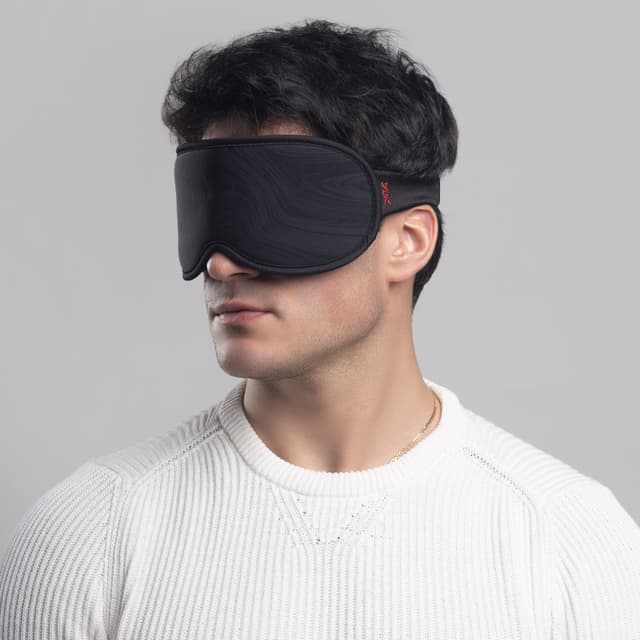
Unwind eye mask
The soft mask blocks light and makes your bedroom a truly dark place to sleep - especially useful on bright nights around the full moon.
We are within the full moon window. The exact peak was or will be:
26 October 2026, 05:12
Today's disc illumination: 100% · phase full moon
The entire visible disc is lit. A good moment to make your bedroom dark.
The four main phases and their dates for Poland - new moon, first quarter, full moon and last quarter.
Earth is between the Sun and Moon, so almost the entire lit disc is visible (≈100%). The Moon rises at dusk and shines all night.
See FAQ →Halfway from full moon back to new moon. The left half of the disc is lit, mainly visible before dawn. Illumination is decreasing.
See FAQ →The Moon is between Earth and the Sun, with its unlit side facing us, making it practically invisible for 1–2 days. This begins a new cycle, after which illumination increases.
See FAQ →Halfway from new to full moon. The right half of the disc is lit, and the Moon is mainly visible in the evening. Illumination continues to increase.
See FAQ →Two simple ways to reduce evening light and unwind more easily, regardless of moon phase.
For the full moonThe soft mask blocks light and makes your bedroom a truly dark place to sleep - especially useful on bright nights around the full moon.
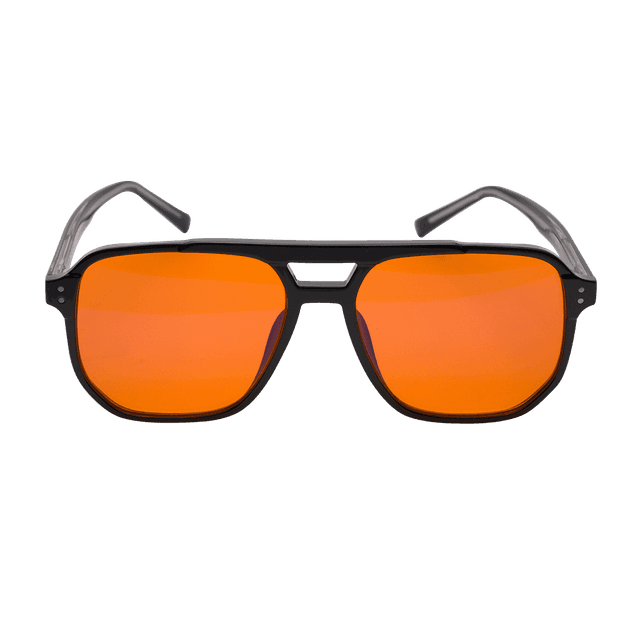 Bestseller
Evening screens and bright light suppress melatonin. Biohac orange lenses block blue light, helping your body prepare for sleep.
Download all full moon dates for your chosen year and add them to Google, Apple or Outlook Calendar.
Turn off bright bedroom lights an hour before bed.
Put your phone away or use its darkest available setting.
Set your bedtime in advance rather than waiting to feel sleepy.
If useful, add an Unwind mask and a simple wind-down routine.
Full moon names vary between regions and cultures. Below is a popular set of names associated with each month.
Midwinter and old accounts of wolves heard on freezing nights.
The snowiest and coldest winter month in many regions.
The first thaws and earthworms emerging in the warming soil.
The spring flowering of pink phlox, also known as moss pink.
Late spring and an abundance of flowering plants.
June and the strawberry harvest in traditional calendars.
The season when deer grow new, velvet-covered antlers.
A summer season of abundant sturgeon fishing in lakes and rivers.
The full moon nearest the autumn equinox, around harvest time.
Bright moonlight for autumn hunting and preparations for winter.
The time when beavers prepare for winter and people gather supplies.
The longest, coldest nights of early winter.
These traditional, cultural names were popularised by sources including the Farmers’ Almanac. They are not astronomical terms.
The full moon is the moment when the entire disc visible from Earth is lit by the Sun, reaching almost 100%illumination. This happens when Earth is between the Sun and Moon. A complete cycle, from new moon through full moon and back, lasts an average of about 29.5 days (a synodic month).
This page shows two different percentages. Disc illumination is astronomical data: the percentage of the visible Moon that is lit today. Progress towards the full moon shows how much of the cycle since the previous full moon has passed, rising steadily to 100% on the next full moon night.
These traditional terms describe the disc's appearance. Nów (new moon) comes from the Polish word for ‘new’ - the start of a cycle when the Moon is practically invisible. Pełnia (full moon) describes a ‘full’ disc, entirely illuminated. Kwadra (quarter) comes from the Latin quadra / quadrans (‘quarter’): the first and last quarters occur one quarter and three quarters through the cycle from new moon, when exactly half the disc is visible.
Chronological order from the current year. Months with two full moons show both dates.
Full moon archive
Older years are hidden to keep the list readable.Still available: 26 years.
The next full moon is on 26 October 2026 at 05:12 Poland time (CET). Find the live countdown and complete calendar on this page.
The current phase and disc illumination are shown live at the top and in ‘Today's moon phase’. Values update continuously using Polish local time.
New moon is when the disc is practically invisible (0% illumination), starting a new cycle. Find upcoming new moon and quarter dates under ‘Upcoming moon phases’.
Some studies suggest slightly later sleep onset and shorter sleep near full moon. Bedroom light and evening routine matter most, so focus on a dark, calm sleep environment.
It is the fraction of the visible disc lit by the Sun. 100% is full moon, 0% is new moon, and around 50% corresponds to first or last quarter.
These folk names derive mainly from North American traditions and were popularised by the Farmers’ Almanac. They describe seasons and natural events, not astronomical phenomena.
A full moon near perigee, the closest point to Earth in its orbit. The disc appears slightly larger and brighter than usual.
A common name for the second full moon in a calendar month, occurring roughly every 2–3 years. It does not refer to colour. Our calendar shows both dates for such months.
A complete cycle from new moon through first quarter, full moon and last quarter back to new moon averages about 29.5 days (a synodic month).
A quarter moon occurs when exactly half the disc is illuminated (50%). The first quarter falls between new and full moon and is visible in the evening; the last quarter falls between full and new moon and is visible towards morning.
They describe the disc's appearance. Nów comes from the Polish word for ‘new’. Pełnia describes a ‘full’, entirely lit disc. Kwadra comes from Latin quadra/quadrans (‘quarter’), reflecting positions in the cycle.
Low in the sky, moonlight travels through more atmosphere, which scatters blue light while allowing red and orange through. The rising Moon may therefore look warmer, becoming silvery higher in the sky.
The Moon is tidally locked to Earth: one rotation takes as long as one orbit. The same hemisphere faces us; only the lit fraction changes.
Strong evidence is limited. A small sleep effect around full moon is better documented. If your energy drops, first focus on a dark bedroom and regular sleep times.
Dim bright lights an hour before bed, lower screen brightness or use a warm setting, and cover windows to block outside light. Blue-light-blocking glasses and an eye mask may also help.
Treat the calendar as a gentle prompt, not a rigid plan. If you sleep worse around full moon, plan a calmer routine and better darkness. Regular sleep times and evening light matter most.